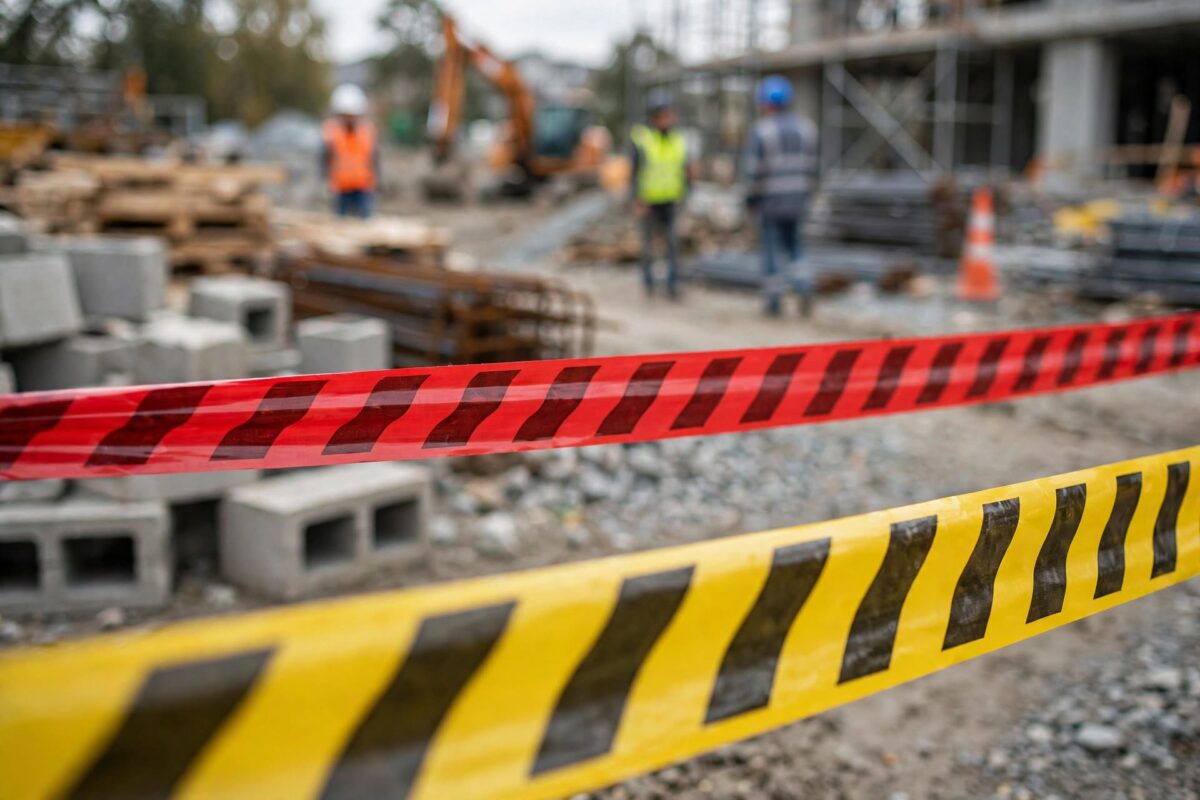
Walk onto almost any construction site in India and you will spot rolls of bright tape strung between poles, wrapped around barriers, or tied off near an open trench. Most people just call it “caution tape” and move on. But if you are the one responsible for site safety, that casual labelling can actually cost you. Barricade tape and caution tape are not the same thing, and using the wrong one in the wrong situation can put workers and the public at real risk.
If you have ever stood in a hardware store or scrolled through a supplier’s catalog, wondering which roll to order, this guide is for you. We will break down what separates these two products, when to use each one, and how to choose a supplier you can actually trust.
What Is Caution Tape?
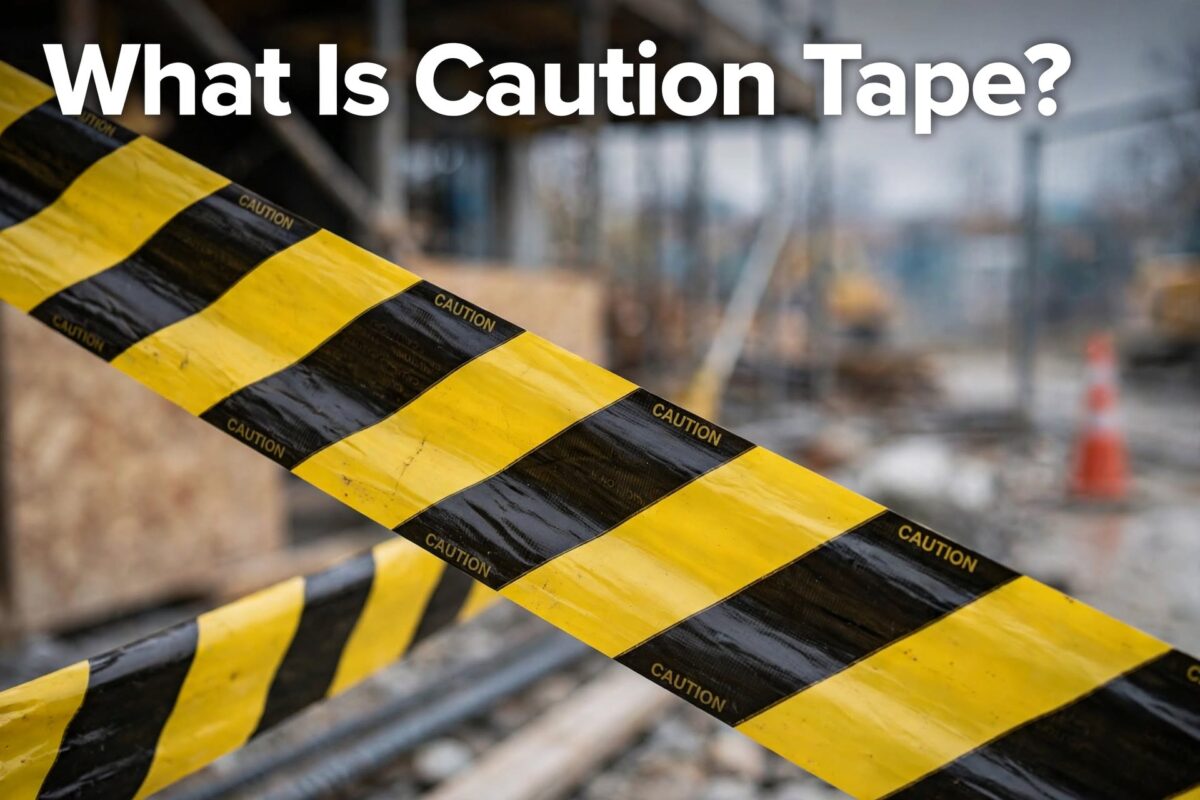
Caution tape is a thin, lightweight plastic tape, usually yellow or a bright fluorescent color, printed with bold text like “CAUTION” or “DANGER.” It is designed to be a visual signal rather than a physical barrier. Think of it as a warning sign you can stretch across a space.
Its main job is to catch attention from a distance and tell people to slow down, stay alert, or avoid an area altogether. You will find safety caution tape used for:
- Marking wet floors or freshly poured concrete
- Cordoning off small maintenance zones
- Flagging minor hazards like exposed wiring or uneven flooring
- Temporary indoor and outdoor signage during short-term work
Because it is thin and not built to bear weight or pressure, caution tape should never be relied upon to physically stop someone from entering a space. It informs. It does not restrain.
What Is Barricade Tape?
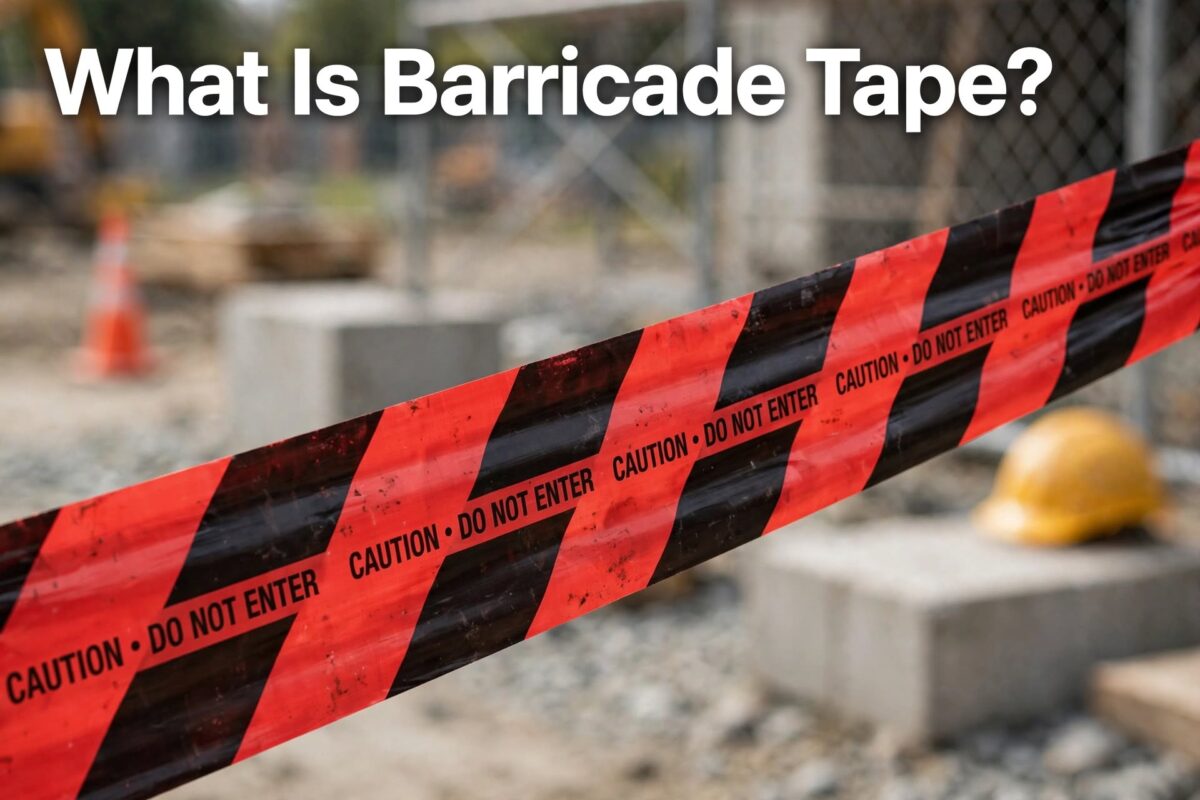
Barricade tape looks similar at first glance, with a bright color and bold warning text, but it is built differently. It is thicker, stronger, and more tear-resistant than standard caution tape. Some grades even include reinforced weaving or a slightly stretchy texture so they hold up better in windy or high-traffic outdoor conditions.
Barricade tape is meant to mark off a more serious or longer-lasting hazard. Common uses include:
- Sealing off large excavation or trenching zones
- Marking road construction and highway work areas
- Cordoning off heavy machinery zones on active job sites
- Creating perimeter boundaries around demolition or high-risk work
Because of its added strength, safety barricade tape holds up better over multiple days of site work, in monsoon winds, or under general wear and tear that a lighter caution tape roll simply cannot survive.
Barricade Tape vs Caution Tape: The Key Differences
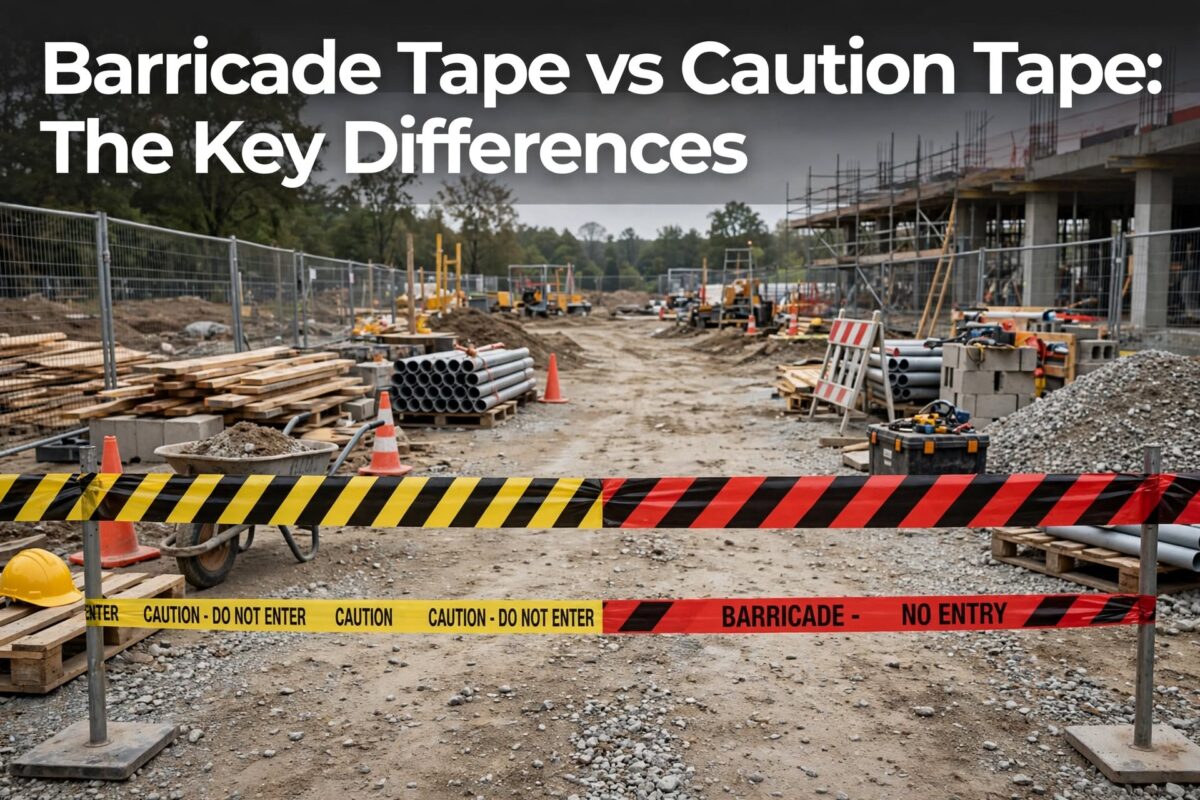
| Feature | Caution Tape | Barricade Tape |
|---|---|---|
| Thickness | Thin, lightweight | Thick, heavy-duty |
| Purpose | Visual warning only | Warning plus a physical perimeter marker |
| Durability | Short-term, indoor or light outdoor use | Long-term, harsh outdoor conditions |
| Typical Sites | Offices, small repairs, indoor hazards | Highways, excavation sites, industrial zones |
| Cost | Lower cost per roll | Slightly higher cost, built for durability |
The easiest way to remember it: caution tape says “be careful here,” while barricade tape says “stay out; this is a serious hazard zone.”
Which One Does Your Site Actually Need?
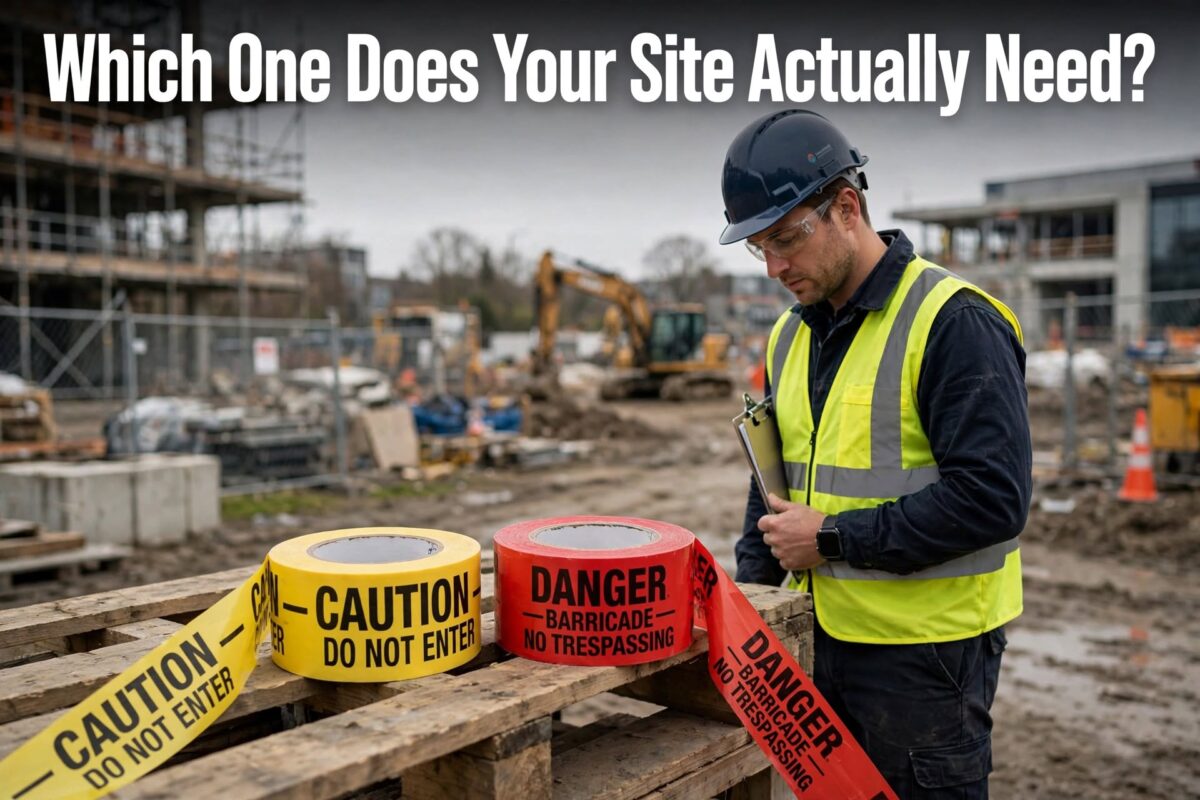
This comes down to two things: how serious the hazard is and how long the tape needs to stay up.
Choose caution tape when: The hazard is minor, temporary, or indoors. A wet floor, a small repair job, or a short maintenance window are all good examples. You do not need heavy-duty protection here, just clear communication.
Choose barricade tape when: You are dealing with active road work, deep excavation, heavy equipment zones, or anything that will be exposed to weather and foot traffic for days or weeks at a time. On highway and infrastructure projects, especially those involving government or EPC contractors, barricade tape is often the safer and more practical choice because it simply lasts longer and holds its position better.
A lot of contractors end up using both across a single project: caution tape for the smaller, everyday hazards and barricade tape for the larger perimeter zones. That combination usually covers most site safety needs without overspending.
Buying Tips: What to Check Before You Order
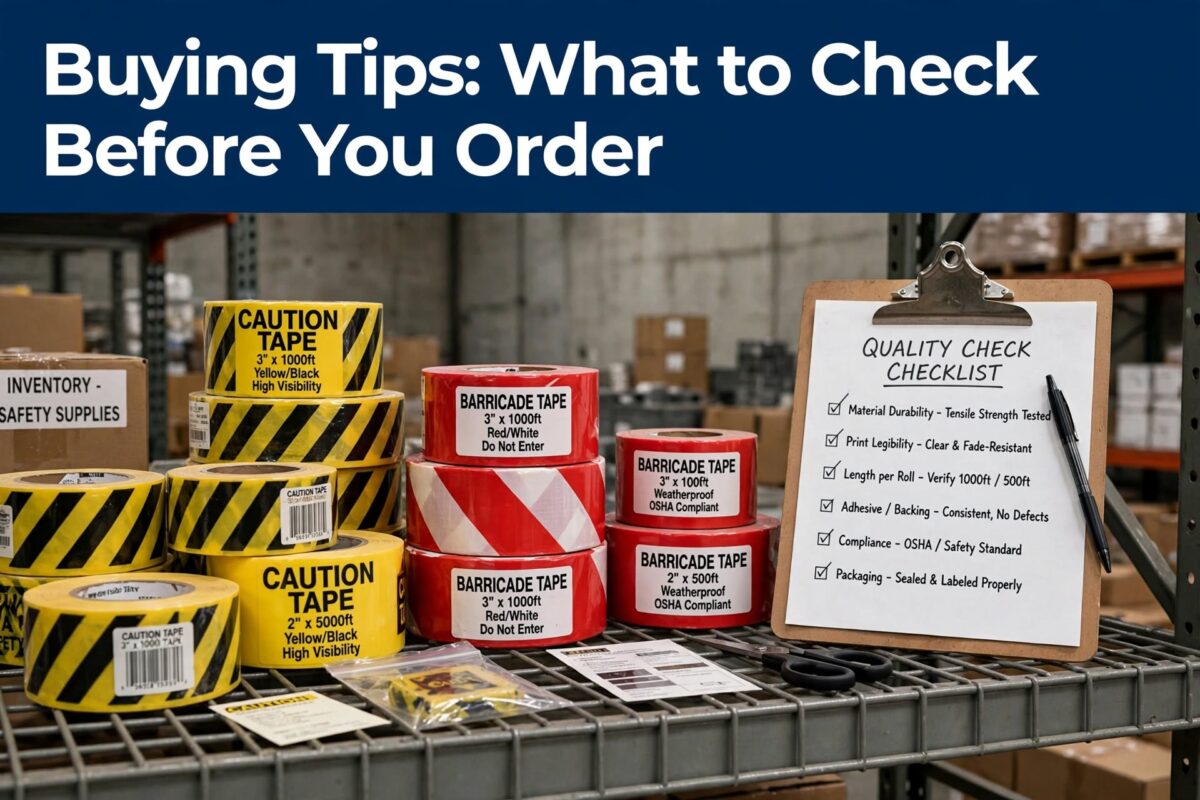
Not every roll labelled “safety tape” performs the same way once it hits an actual site. Before you place a bulk order, check for:
- Tear resistance – especially important for barricade tape used in windy or high-traffic zones.
- Print visibility – the warning text should stay legible even after a few days of sun exposure.
- Roll length and width – longer rolls reduce the number of joints and gaps in your perimeter.
- Weather resistance – for monsoon-season projects, look for tape that will not fade or tear when wet.
- Supplier reliability – a supplier who understands construction sites will help you pick the right grade instead of just selling you whatever is in stock.
If you are managing a highway project, a metro rail site, or any large-scale infrastructure work, it is worth sourcing your caution and warning tape from a supplier who already works with government and industrial clients. That experience usually shows up in product consistency and delivery timelines.
Where Aspire Enterprises Fits In

At Aspire Enterprises, we manufacture and supply both caution tape and barricade-grade safety tape for road construction, industrial, and government projects across India. Since 2016, we have supported highway contractors, EPC firms, and infrastructure developers with materials that are built to survive real site conditions, not just look good on a spec sheet.
Our caution tape range covers everyday site hazards, while our heavier-duty rolls are designed for exactly the kind of long-term, high-traffic perimeter work that road and highway projects demand. And since site safety rarely stops at just tape, we also supply related materials like expansion joint boards, DWC pipes, and backer cord and debonding strips for teams that need a single, dependable source for construction materials.
Final Thoughts
Choosing between barricade tape and caution tape is not about which one is “better”; it is about matching the tape to the job. Small, short-term hazards call for standard caution tape. Larger, longer-lasting, or higher-risk zones call for the added strength of barricade tape. Get this right, and you protect your workers, your site, and your project timeline all at once.
Need help figuring out the right grade for your next project? Get in touch with our team and we will help you order exactly what your site needs.
FAQS
Can caution tape and barricade tape be used interchangeably?
Technically yes, but it is not recommended. Using thin caution tape for a heavy-duty barricade job means it will likely tear or sag within a day or two, defeating its purpose.
Which one is more cost-effective for a large highway project?
Barricade tape usually works out cheaper in the long run for large projects because it needs fewer replacements over the course of a multi-day or multi-week job.
Is barricade tape a substitute for physical barriers like cones or fencing?
No. Barricade tape is a visual and light physical marker. For high-risk zones like deep excavation or active machinery areas, it should be used alongside proper physical barriers, not instead of them.
Where can I buy bulk caution tape or barricade tape in India?
You can order both directly from Aspire Enterprises, a trusted manufacturer and supplier of road construction materials serving industrial and government projects nationwide.