
Peg Rod

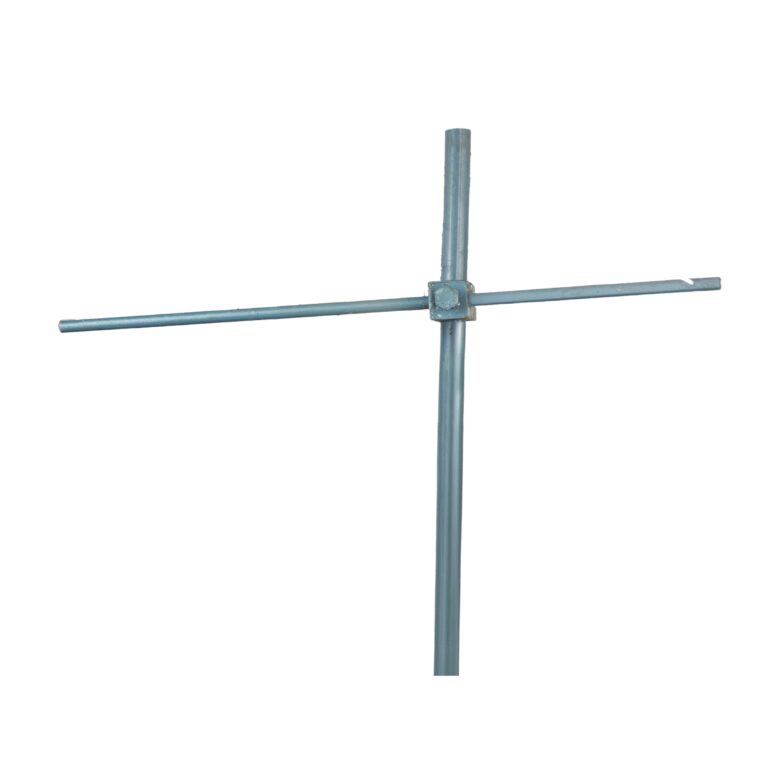
Peg rods are vital for precision guidance in the path of asphalt, concrete pavers, and texturingcuring machines, ensuring accuracy incamber and the thickness of asphalt or concrete layers.

MaterialMS & Bright Bar
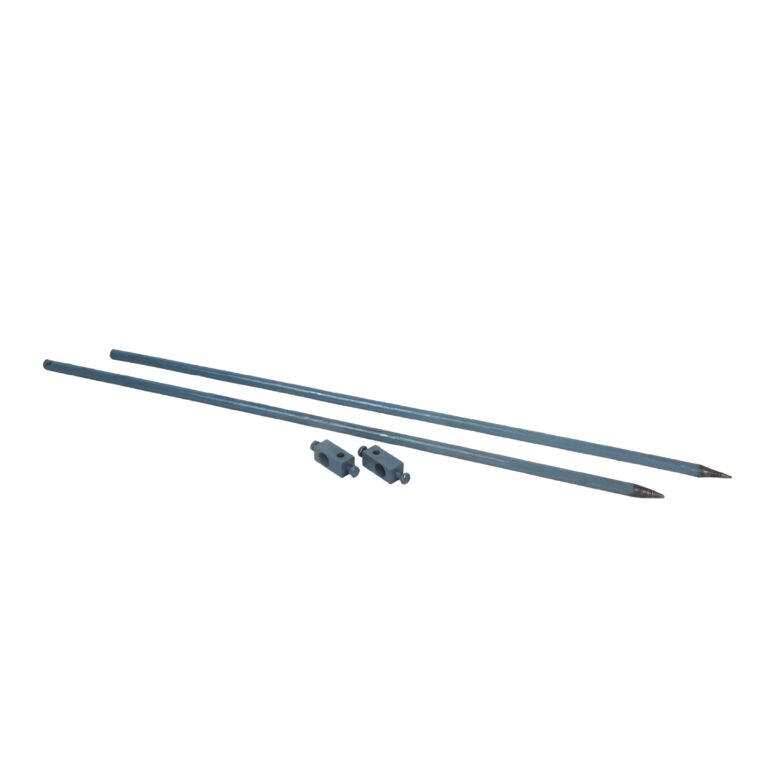
Thickness & length of Long Rod16mm , 19mm and 20mm x 1mtr long
Thickness & length of Sensor Rod9mm,10mm x 450mm Long
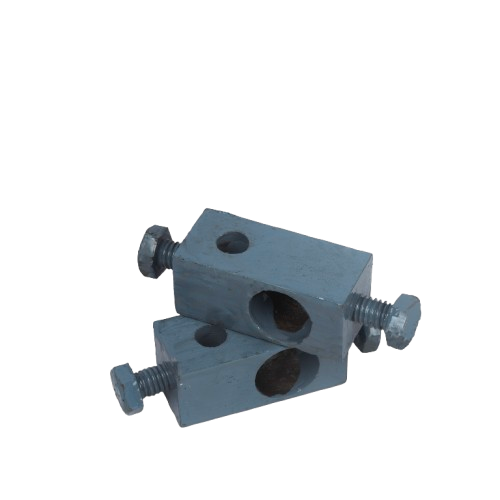
Holder TypeSolid Metal suitable for 16, 19 & 20mm rods.
Tapping depth in holder for bolting10-11mm deep threads for bolting.

Peg Rod for PQC and Paver | String Line Rod Manufacturer in India

Aspire Enterprises manufactures and supplies peg rods and string line rods used for grade control and alignment on PQC road and paver projects across India. A peg rod sounds like a minor accessory next to something like a separation membrane, but the paver cannot hold line and level without it, and a wandering grade shows up in the finished slab long after the crew has moved on.

We supply peg rods in 16mm, 19mm, and 20mm sizes, 1 meter in length, built to hold a taut string line through a full day of paving without bending or working loose in the ground.

What Is a Peg Rod?

A peg rod is a steel rod driven into the ground alongside a paving lane, used to anchor a string line that runs parallel to the road being poured. The string line stretched between peg rods gives the paver operator, or the paver’s sensor system when paired with sensor wire, a fixed reference for grade and alignment across the full length of the pour. Without this reference line, held steady on a winch stand at tensioned intervals, the slab surface can drift out of level in ways that are difficult to catch until the concrete has already set.

Why Peg Rods and String Line Matter on a PQC Site

A PQC road lives or dies on how flat and true the finished surface turns out to be, and that starts well before the concrete truck arrives. The string line anchored to a row of peg rods is what keeps the paver, and the screed vibrator trailing behind it, tracking a consistent grade across the entire paving width. A peg rod that shifts under tension, or a string line pulled loose because the rod was undersized for the ground conditions, introduces a grade error that gets baked directly into the pavement.

This matters even more on sections running toward a dowel bar sleeve assembly or an expansion joint board, where the joint elevation needs to match precisely on both sides for the slab to perform as designed once traffic loading begins.

Peg Rod Sizes and Specifications

Size

Typical Use

16 mm, 1 metre

Lighter string line setups and shorter paving runs

19 mm, 1 metre

Standard size for most PQC highway and expressway grade control

20 mm, 1 metre

Heavier-duty applications and firmer ground conditions

Choosing the right diameter depends on ground conditions and how much tension the string line needs to hold across a paving stretch. A rod that flexes under load defeats the purpose just as much as one that is too short to anchor properly, so it is worth confirming ground type against rod size before a bulk order, the same way you would confirm sizing against the bar diameter or groove cutting blade depth against joint spacing.

How Peg Rods Work With Sensor Wire and Winch Stands

A peg rod rarely does its job alone. Paired with sensor wire running along the same line, it becomes part of the paver’s automated grade control system, feeding a continuous, steady reference to the sensor as the machine moves forward. That reference line only stays steady if it is tensioned properly, which is where a winch stand comes in, keeping consistent pull on the string across long paving stretches without the sag that a hand-tied line develops over a distance.

Set up correctly, this trio, peg rod, sensor wire, and winch stand, is what lets a modern paver hold grade automatically instead of relying on manual checks every few meters.

Peg Rod Placement and Site Practice

Getting a peg rod line right is mostly about consistency, not complexity. Rods should be driven to a depth firm enough to resist the tension of a fully stretched string line, spaced at intervals that prevent visible sag between points, especially over ground that varies in firmness across a single paving run. Checking the peg rod line against your separation membrane layout and any planned dowel bar sleeve positions before the paver starts moving avoids a mid-pour scramble to correct alignment.

On longer stretches, it helps to walk the full line and sight down it before locking tension, the same basic check a surveyor would do, since a small offset at one peg rod compounds into a visible wave in the finished slab by the time the paver reaches the far end.

Common Mistakes That Cost You Grade Accuracy

Undersized rods for the ground conditions are the most common issue, since a rod that flexes under string tension quietly shifts the grade reference without any visible sign until the slab is poured. Skipping proper tensioning on the trying to hand-tie the line instead, is a close second, and it tends to show up as a wavy finish that a texturing brush cannot fully hide once the surface has been finished.

Reusing bent or corroded rods from a previous project is another quiet cause of grade drift, since a rod that no longer sits perfectly straight throws off the string line even when everything else about the setup is correct.

Why Choose Aspire Enterprises for Peg Rods and String Line Rods

We manufacture peg rods to hold a taut line through a full working day in the 16mm, 19mm, and 20mm sizes that cover most PQC and highway paving requirements. Ordering peg rods alongside sensor wire and from the same supplier keeps your entire grade control setup consistent, rather than mixing components sourced from different vendors with slightly different tolerances.

We supply pan-India to highway contractors, EPC firms, and government construction departments, with the same bulk dispatch capacity we offer across our full product range and machine range

Conclusion

A peg rod is a small, low-cost item that decides how flat and true your finished pavement actually turns out to be. Get the size and setup right, paired with proper winch stand tensioning, and the paver holds grade automatically across the full pour. Aspire Enterprises supplies peg rods in 16mm, 19mm, and 20mm sizes, built for consistent performance across highway, expressway, and industrial paving projects.

Frequently Asked Questions

A peg rod is driven into the prepared sub-base to anchor the string line that the paver follows for grade and alignment. The paver’s sensor reads the string line and adjusts the screed to match the design profile.

Aspire Enterprises stocks 16 mm, 19 mm, and 20 mm peg rods in 1-meter lengths as standard. The 9 mm and 10 mm sensor rods at 450 mm length is also available with the matching holder.

The peg rod is the long stake driven into the ground that supports the string line. The sensor rod is the shorter precision rod that fits into the holder on top of the peg rod and carries the sensor wire under the paver arm.

Yes. The 19 mm peg rod is the most common diameter used with Wirtgen and Vogele sensor brackets. The 16 mm and 20 mm variants are available for other bracket types.

Yes. Peg rods are designed for repeated use. After paving, they can be removed, cleaned, and reused across multiple paving lifts and projects.

Our peg rods are made from MS and bright bar with a rust-resistant surface treatment and precision-straightened to maintain dimensional accuracy over repeated use.

The number depends on the paving length and the spacing required for grade control. Closer spacing is used on curves and vertical changes. The team can advise on typical spacing for your project on request.

Yes. The sensor rod and matching holder are available alongside the peg rod and can be supplied together on a single purchase order.

RELATED BLOGS

Aspire Enterprises – Building Reliable Infrastructure Since 2016. Committed to quality materials, precision machinery, and customer satisfaction.

Contacts

Location

 All Rights Reserved The Aspire Enterprises 2025 | Developed By  The Marketing Bots