Dowel Bar Sleeve & Cap Manufacturer and Supplier in India
Aspire Enterprises manufactures and supplies dowel bar sleeves and caps for PQC road construction across India. Every transverse joint on a concrete highway depends on a dowel bar to transfer load from one slab to the next, and the sleeve is what lets that dowel bar do its job without locking the joint solid. Get the sleeve wrong, undersized, poorly fitted, or made from brittle plastic, and the joint either binds up or leaks, both of which shorten the life of the pavement.
We supply dowel bar sleeves and caps in 25mm, 30mm, 32mm, 36mm, 38mm, and 40mm sizes, manufactured to match standard dowel bar diameters used across national highway, expressway, and industrial paving projects.
What Is a Dowel Bar Sleeve?
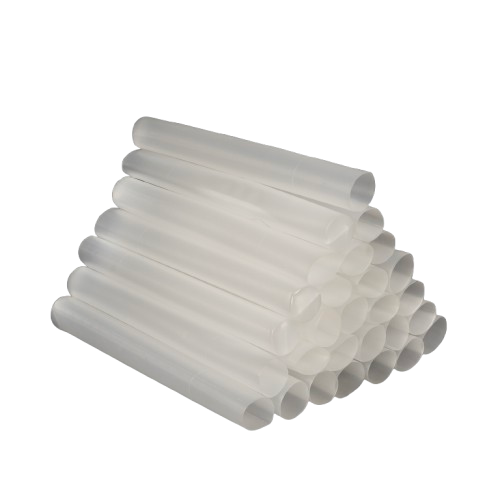
A dowel bar sleeve is a PVC sleeve fitted over one end of a steel dowel bar before it is placed at a transverse joint in a PQC road. Its purpose is simple but essential. It debonds that end of the bar from the surrounding concrete, so the bar can slide in and out of the sleeve freely as the slab expands and contracts with temperature.
Without a sleeve, the dowel bar would bond directly to the concrete on both sides of the joint. That bond stops the joint from opening and closing naturally, which forces stress into the slab exactly where the design intended a controlled joint instead. A properly fitted sleeve is what keeps a dowel bar doing its real job, transferring load across the joint, without accidentally turning the joint into a rigid connection it was never meant to be.
The matching dowel bar cap sits over the fully embedded end on the opposite side, sealing the bar end and stopping concrete slurry or moisture from entering during the pour.
Why Dowel Bar Sleeves Matter in PQC Road Construction
A transverse joint in a PQC road is designed to do two things at once, and they seem to pull in opposite directions. It needs to transfer traffic load smoothly from one slab to the next, and it needs to let each slab move independently as it shrinks and expands.
The dowel bar handles load transfer. The sleeve is what makes the movement possible. On the free end of the bar, the sleeve allows a small, controlled amount of horizontal slide as the joint opens and closes, while the bar itself stays properly aligned across the gap. If this sliding action gets restricted, either because the sleeve was skipped, too tight, or made from a poor-quality PVC that cracks under load, the joint stops working as designed. The slab either cracks nearby to relieve the stress, or the joint locks and starts spalling at the surface under repeated traffic load.
This is why dowel bar sleeve and cap quality gets specified just as carefully as the dowel bar itself on most highway projects, even though the sleeve costs a fraction of what the steel bar does.
Dowel Bar Sleeve Sizes and Specifications
Size | Common Use |
|---|
25mm | Lighter-duty PQC applications and smaller pavement projects |
30mm | Standard highway and expressway PQC joints |
32mm | Widely used size across national highway paving |
36mm | Heavier-duty pavement sections and higher traffic loading |
38mm | Heavy-duty highway and industrial pavement applications |
40mm | Maximum load-bearing pavement sections |
The correct sleeve size is determined by the dowel bar diameter specified in your project drawings, not by what happens to be available in stock. Always confirm the bar diameter against the sleeve size before placing a bulk order, since an oversized sleeve fits loosely and an undersized one will not slide onto the bar at all.
Sleeve and Cap: Two Parts of the Same Assembly
The sleeve and cap work as a pair, even though they do different jobs at opposite ends of the same dowel bar.
The sleeve goes on the free end of the bar, the end that needs to slide as the joint opens and closes. It is typically closed at the outer end to stop concrete slurry from filling the gap during the pour, which would otherwise defeat the whole purpose of the sleeve.
The cap goes over the far end of the bar on the side where the bar stays fully embedded in the concrete. Its job is purely to seal that end during placement, keeping slurry and moisture out while the bar is anchored solidly on that side of the joint.
Ordering sleeves and caps together, matched to the same bar diameter, avoids the mismatch that happens when these get sourced from two different suppliers using slightly different sizing conventions.
Where Dowel Bar Sleeves Fit Into the Wider Joint System
A dowel bar sleeve rarely works in isolation on a real site. Before the joint is even poured, a separation membrane is laid over the DLC base to let the slab move freely, and a string line, tensioned on a winch stand, keeps the paver on grade as it moves across the dowel bar assembly.
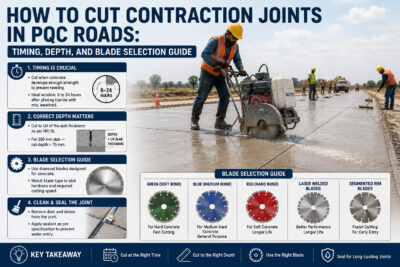
Once the slab has cured, the transverse joint above the dowel bar is saw-cut using a groove-cutting machine fitted with the correct The cut groove is then packed with a before being sealed using the appropriate method. At structures and fixed points nearby, an expansion joint board handles the larger thermal movement that a standard dowel joint is not designed to absorb.
Every one of these products has to work together for the joint to perform as designed, which is why a mismatch anywhere in this chain, including an undersized or poor-quality sleeve, tends to show up later as a maintenance problem rather than an installation-day failure.
Installation Tips for Dowel Bar Sleeves
Match the sleeve to the bar diameter exactly: A loose fit lets concrete paste seep in around the bar, while too tight a fit can crack the sleeve during placement.
Check alignment before the pour: The dowel bar needs to sit level and parallel to the slab surface. A misaligned bar puts uneven stress on the sleeve once traffic load starts crossing the joint.
Inspect for cracks before use: PVC sleeves that have been sitting in direct sun for extended periods can become brittle. A quick visual check before installation catches this before it becomes a buried problem.
Cut sleeves to the correct embedment length: The exposed sliding length inside the sleeve should match the project specification, since too short a length restricts the joint’s designed movement.
Why Choose Aspire Enterprises for Dowel Bar Sleeves and Caps
Full size range in stock: From 25 mm to 40 mm, we manufacture sleeves and caps to match standard dowel bar diameters used across highway and industrial projects, so you are not stuck adapting your specification to whatever a supplier happens to have on hand.
Consistent PVC quality: Our sleeves are made to hold up during handling, placement, and the concrete pour itself, without the brittleness that comes from cutting corners on material grade.
Matched sleeve and cap sets: Ordering both from the same manufacturer means consistent sizing across the full dowel bar assembly, with no guesswork about compatibility between parts sourced separately.
Pan-India dispatch: We supply highway contractors, EPC firms, and government construction departments across the country, with bulk order capacity for large-scale highway and expressway projects.
Documentation on request: Material specifications are available for project engineers who need to confirm conformance before sign-off.
Conclusion
A dowel bar sleeve is a small, low-cost part of a PQC joint that carries an outsized responsibility. Get the size and quality right, and the joint transfers load smoothly while moving exactly as the pavement design intends for years of traffic. Aspire Enterprises supplies dowel bar sleeves and caps in the full range of standard sizes, manufactured to hold up on real sites, backed by pan-India delivery and documentation on request.



 marketingteam.aspire@gmail.com